
Exploring the 5 Koshas: A Journey Through the Layers of Being
Emily B | NOV 21, 2024
koshas
yoga models
yoga philosophy
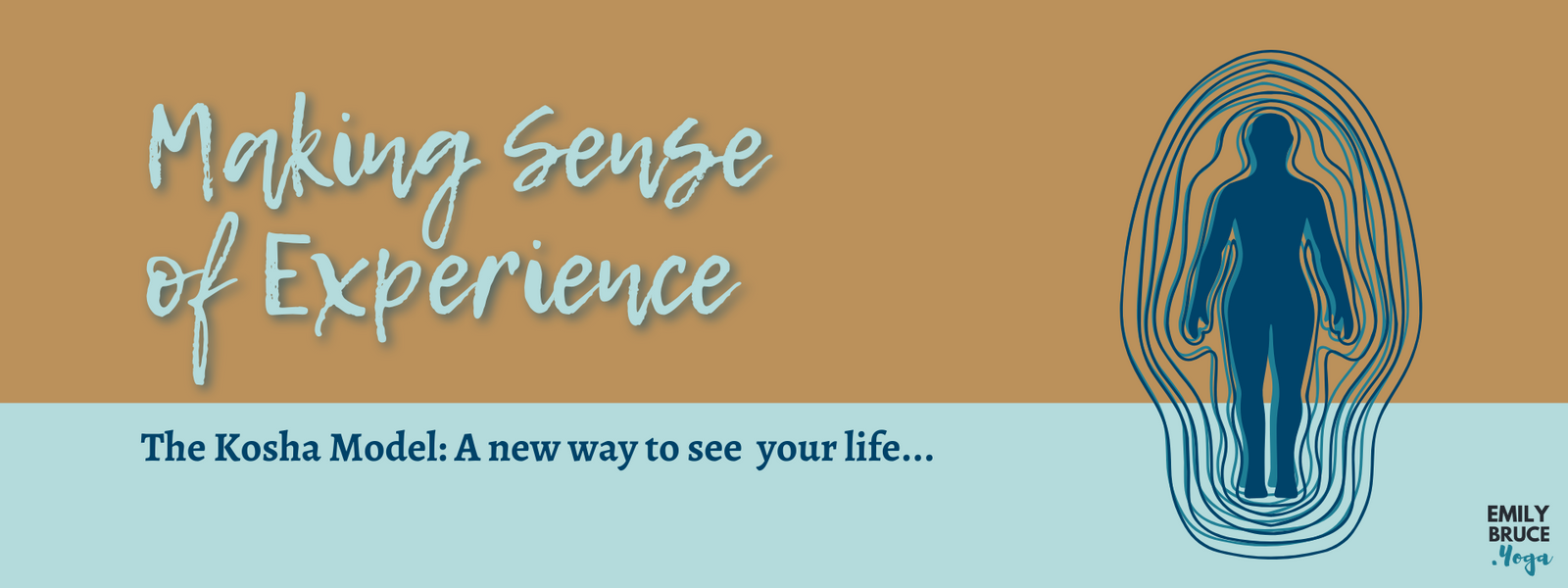
In yoga philosophy, the human experience is often described through the model of the koshas, or "sheaths," which represent layers of our being. These five layers—from the physical to the spiritual—give us a holistic framework for understanding health, balance, and personal growth.
The koshas help us see how interconnected we are, and modern science increasingly supports the wisdom embedded in this ancient model. Let’s dive into each kosha, its meaning, and how we can combine yoga and science to nurture our whole self.
1. Annamaya Kosha (Physical Body)
Translation: Anna means "food" or "matter," reflecting the physical body nourished by what we eat and drink. This layer is the most tangible—our muscles, bones, and tissues.
Yoga for Annamaya Kosha: Practices like asana (postures) and mindful movement nurture this layer by improving strength, flexibility, and balance. Science shows yoga enhances physical health by reducing inflammation, lowering blood pressure, and improving mobility—key to vibrant ageing and reducing stress-related illnesses.
Try This: A gentle yoga flow with grounding poses like Mountain (Tadasana) or Warrior (Virabhadrasana) can help you reconnect with your physical body.
2. Pranamaya Kosha (Energy Body)
Translation: Prana means "life force" or "energy." This kosha governs the flow of energy through the body, often associated with breath and the nervous system.
Yoga for Pranamaya Kosha: Pranayama (breathing exercises) directly influence this layer by regulating energy and calming the nervous system. Studies on breathwork reveal its ability to reduce cortisol (stress hormone) levels, improve heart rate variability, and activate the parasympathetic "rest and digest" system. One of my personal favourites is Bhramari or Bee Breath.
I
Or Try This: Practice Nadi Shodhana (alternate nostril breathing) to balance energy and create a sense of calm.
3. Manomaya Kosha (Mental Body)
Translation: Manas means "mind." This kosha represents our thoughts, emotions, and mental patterns.
Yoga for Manomaya Kosha: Meditation and mindfulness are key practices here, as they help quiet the busy mind and cultivate emotional resilience. Neuroscience supports meditation’s role in improving focus, reducing anxiety, and even rewiring the brain for positivity through neuroplasticity.
Try This: End your yoga practice with a few minutes of seated meditation or guided relaxation to soothe the mental layer.
4. Vijnanamaya Kosha (Wisdom Body)
Translation: Vijnana means "discernment" or "intuition." This kosha relates to deeper insight, inner wisdom, and self-awareness.
Yoga for Vijnanamaya Kosha: Practices like self-reflection, yoga philosophy, journaling and studying sacred texts (swadhyaya) enhance this layer. Psychologists now recognize the importance of mindfulness and self-awareness in fostering emotional intelligence and well-being.
Try This: Journaling after yoga can deepen your connection to this kosha by uncovering insights about your practice and your life.
5. Anandamaya Kosha (Bliss Body)
Translation: Ananda means "bliss" or "joy." This innermost kosha is often described as our true nature—pure peace and contentment beyond the ego.
Yoga for Anandamaya Kosha: Experiences of bliss often arise in meditation, yoga nidra, or moments of profound connection. Neuroscience links such states to brain waves like theta and delta, which are associated with deep relaxation and unity.
Try This: Practice restorative yoga or yoga nidra to tap into this blissful state. Silence and surrender are key here—allow yourself to simply be. Here's a guided relaxation with Yoga Nidra from my YouTube channel.
Bringing the Koshas Together
The koshas remind us that we’re more than just a body or a mind—we’re a beautifully layered being. By exploring practices that support each kosha, we move toward greater harmony, emotional balance and vibrant ageing.
If you’re curious to experience the koshas in your practice, join my Saturday morning Zoom class to explore the current 7-week term on the koshas, designed to nurture every layer of your being.
Through the koshas, yoga becomes a map for a fulfilled, radiant life—one layer at a time. Which kosha are you most curious about? Drop me a line, I'd love to know...
Emily B | NOV 21, 2024
Share this blog post

 OfferingTree